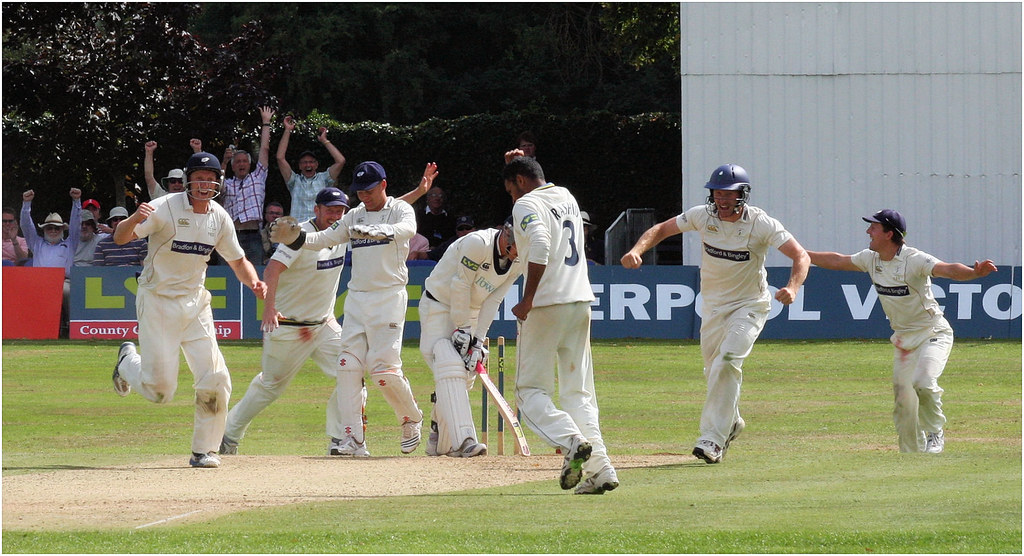
ODI batting collapse has been a significant concern for England captain Harry Brook, who expressed disappointment following their latest match against Pakistan.
Match Overview
In a thrilling encounter, England faced a disappointing ODI batting collapse against Pakistan, leading to a significant defeat. The match took place at the iconic Lord’s, where both teams aimed to secure vital points in the series. England’s captain, Harry Brook, expressed his frustration after the game, highlighting the team’s struggle with losing wickets in clumps.
Pakistan’s bowling attack, spearheaded by Arafat Minhas, proved to be a formidable challenge. Minhas’s exceptional performance included a remarkable spell that dismantled England’s batting lineup, rattling the top order and leaving the middle order in disarray. Despite a promising start, the team’s inability to build partnerships ultimately led to their downfall.
Brook’s lament about the ODI batting collapse reflects a recurring issue for England in recent matches, as they have found it difficult to recover once key players are dismissed. The captain noted the need for greater resilience and adaptability in future games to avoid similar situations. As the series progresses, England must regroup and find a strategy to counteract the pressure, ensuring they do not fall victim to another batting collapse.
- England’s batting lineup struggled under pressure.
- Arafat Minhas’s outstanding bowling performance.
- Brook’s leadership challenged by recent collapses.
Key Performers
In the recent ODI match, England’s batting order faced a significant collapse, with several key performers failing to deliver under pressure. Captain Harry Brook expressed his disappointment, highlighting the team’s struggle to maintain partnerships as they lost wickets in clumps.
Among the notable contributors, Ben Stokes started strong but could not convert his innings into a substantial score. His dismissal triggered a chain reaction, leading to an ODI batting collapse that left England reeling. Joe Root, who has been a stalwart for the team, also fell victim to the exceptional bowling from Pakistan, further diminishing England’s chances of setting a competitive total.
On the other hand, Arafat Minhas emerged as a standout performer for Pakistan, claiming crucial wickets at pivotal moments. His ability to exploit England’s weaknesses played a significant role in their batting downfall. Other bowlers from Pakistan, including Shaheen Afridi, complemented Minhas’s efforts, creating a formidable attack that dismantled England’s batting lineup.
This match serves as a reminder of the vulnerabilities within England’s ODI setup, raising questions about their approach in high-pressure situations.
Harry Brook’s Reaction
In the aftermath of the match, England captain Harry Brook expressed his disappointment over the team’s performance, particularly highlighting the ODI batting collapse that cost them dearly. Brook lamented the loss of wickets in crucial phases, stating, “We seemed to lose wickets in clumps, which is never ideal, especially in a run chase.”
Brook acknowledged the formidable bowling attack from Pakistan, crediting Arafat Minhas for his exceptional spell. “You have to give credit where it’s due. Minhas bowled excellently and exploited the conditions perfectly,” he noted.
Reflecting on the team’s approach, Brook emphasized the need for better decision-making during pressure situations. He said, “We have to learn from these experiences. It’s important that we remain calm and composed.”
As captain, Brook understands the weight of his responsibilities and the impact of this ODI batting collapse on the team’s morale. He concluded by stating, “We will regroup and work on our game to ensure this doesn’t happen again. Every loss is a lesson.”
Fans and analysts alike will be keen to see how England responds in their upcoming matches.
Arafat Minhas’s Impact
Arafat Minhas emerged as a pivotal figure in the match, playing a crucial role in England’s ODI batting collapse. His ability to consistently apply pressure on the batters was evident throughout the innings. With a keen understanding of the game, Minhas exploited the weaknesses in England’s approach, leading to a series of quick wickets that turned the tide in favor of Pakistan.
Minhas’s bowling figures were impressive, showcasing his skill and determination. Key moments included:
- Early Breakthroughs: He struck at crucial times, dismissing key players and rattling the England lineup.
- Changing Momentum: By taking wickets in clumps, Minhas shifted the momentum entirely, leaving the English batsmen struggling to recover.
- Control and Precision: His disciplined line and length made it difficult for the batters to settle, contributing significantly to the ODI batting collapse.
As Brook expressed disappointment over losing wickets in clusters, it was clear that Minhas’s performance was instrumental in disrupting England’s plans and securing a vital victory for Pakistan.
Future Implications for England
The recent ODI batting collapse has raised significant concerns about the future of England’s cricketing strategies. With the team facing a crucial period ahead, the implications of this loss could resonate well beyond the immediate aftermath.
Captain Harry Brook’s admission about losing wickets in clumps highlights a recurring issue for England. Such collapses not only impact match outcomes but also affect team morale and confidence going forward. As England prepares for upcoming series and tournaments, addressing these vulnerabilities is paramount.
In light of the recent match, analysts suggest that England may need to reassess their approach to batting under pressure. Some potential strategies include:
- Enhancing Mental Resilience: Developing a mindset that can withstand pressure situations.
- Strategic Batting Orders: Adjusting the batting lineup to better manage high-stakes scenarios.
- Focused Training Sessions: Implementing drills that simulate challenging match conditions.
As the team reflects on this ODI batting collapse, the lessons learned will be crucial for their growth and future performances. Only time will tell if these insights will lead to a more robust England side moving forward.
Analysis of England’s Strategy
England’s recent ODI batting collapse has raised questions about their strategic approach during high-pressure situations. Despite a solid start, the team struggled to maintain momentum, leading to a rapid loss of wickets. Captain Harry Brook expressed his frustration, noting the tendency to lose “wickets in clumps,” which has become a recurring theme for the squad.
The decision-making process during crucial overs played a significant role in this collapse. England’s aggressive batting style, while effective in the past, may have backfired against a disciplined Pakistani bowling attack. Arafat Minhas showcased the effectiveness of patience and precision, contrasting sharply with England’s dismissive approach.
Analyzing the batting order, it appears that the reliance on big hits overshadowed the need for building partnerships. Key players failed to adapt to the changing conditions, resulting in a series of reckless dismissals. Coupled with a lack of communication between batsmen, this led to confusion and further exacerbated the situation.
As England reflects on this ODI batting collapse, it is clear that a reevaluation of their strategy is necessary to prevent similar occurrences in future matches. Consistency and adaptability will be crucial for their success moving forward.
By ForwardDefensive via Openverse